




Algorithmic Trading vs Manual Trading: Which Is Right for You?
Learn the differences between algorithmic trading and manual trading, including strategy, execution, emotions, automation, and which approach may fit you best.

The choice between algorithmic and manual trading often gets pitched as a clear-cut decision with one obvious winner, depending on who's making the argument. The reality is messier. For most traders, the question isn't which approach is better in some abstract sense. It's which one suits your specific strategy, personality, and situation, with the understanding that most successful traders end up using a bit of both.
There are real differences between the two, and they matter for different reasons than the marketing around each one tends to suggest. Both sides need an honest case made for them, because picking the wrong approach for your situation will produce poor results no matter how well it might have worked for someone else.
What Each Approach Actually Means
The terms get thrown around loosely, so it's worth being clear about what we're comparing.
Manual trading, in the traditional sense, means a human trader making every decision in real time. You watch the market, spot setups, place orders, manage positions, and exit trades based on your own reading of current conditions. Some manual traders use indicators or systematic rules, but the actual execution of each decision happens through deliberate human action.
Algorithmic trading means a software system makes decisions and places orders based on pre-set rules. The system might find entries, manage positions, handle exits, or do all of it, with little human input once it's running. The rules can be simple (enter when indicator X crosses Y, exit when Z happens) or complex (machine learning models trained on years of historical data).
Most explainers on automated trading focus on the technology, but the real distinction isn't about software. It's about whether decisions get made by a system following fixed rules or by a human applying judgement in the moment. Some manual traders rely heavily on automation for specific tasks. Some algorithmic traders keep significant manual override. The pure versions of either approach are rarer than the mixed ones.
The Case for Algorithmic Trading
The strengths of algorithmic trading are real and worth taking seriously.
Consistent execution is the big one. A well-built algorithm follows its rules every single time, without the emotional swings that affect human decisions. It doesn't get tired. It doesn't panic during drawdowns. It doesn't take revenge trades after a loss, and it doesn't miss setups because it was distracted by something else. For traders whose main weakness is psychological discipline, an algorithm that just follows the rules can outperform their own manual execution.
Speed and scale are obvious wins. Algorithms can watch hundreds of instruments at once, react to setups in milliseconds, and place orders without the friction of clicking a mouse. Strategies that depend on speed or breadth aren't really available to manual traders.
Backtesting actually means something. The exact rules an algorithm follows can be tested against historical data with high accuracy, giving you genuine information about how the strategy is likely to perform. Manual strategies are harder to backtest because the human element introduces variation that historical data can't capture.
Round-the-clock trading is possible. For markets that run 24 hours, like forex and crypto, an algorithm can catch opportunities a human couldn't reach without giving up sleep or hiring partners to cover other sessions.
The Case for Manual Trading
The strengths of manual trading are different, but just as real.
Adapting to changing conditions is the main advantage. Markets shift in ways algorithms struggle with, especially during regime changes when old patterns stop working. A human trader can see that conditions have changed and adjust before an algorithm's training data catches up. The 2020 volatility, the 2022 inflation regime, and a handful of other big shifts have produced long stretches where manual traders outperformed algorithmic ones, simply because they could see what was happening in front of them.
Judgement in complex situations is another area where humans win. Situations involving narrative, central bank language, geopolitics, or other context-heavy factors need interpretation that current algorithms handle poorly. A skilled manual trader can fold these things into a decision in ways pure rule-based systems can't.
The technical barrier to entry is much lower. Manual trading needs no coding skills, no infrastructure beyond a basic platform, and no ongoing upkeep of code or data feeds. Your own judgement is the system, and building it up takes market experience rather than technical know-how.
Strategy can be refined on the fly. A manual trader can tweak their approach based on what they're seeing in real time, without rebuilding and retesting an entire algorithm. The iteration cycle is faster, even if the execution isn't as consistent.
Where Each Approach Fits Best
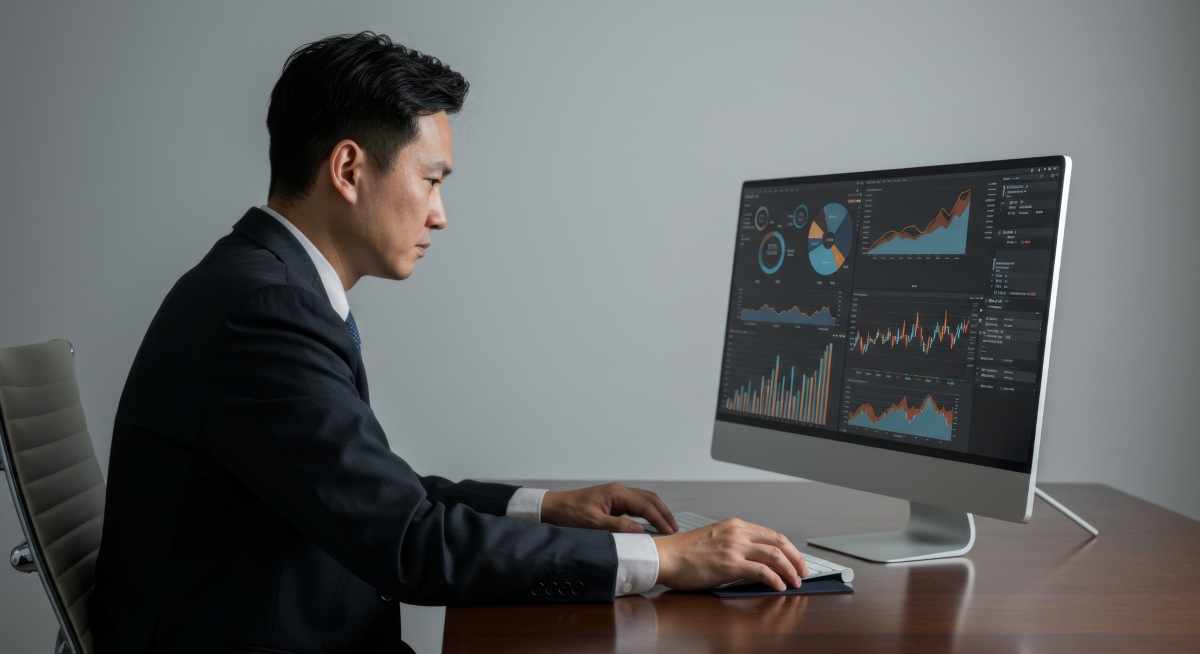
The honest framing is that different approaches suit different situations.
Algorithmic trading suits strategies that are clearly rule-based, where the rules can be specified completely without judgement gaps, and where the markets being traded behave consistently enough that historical patterns retain predictive value. Statistical arbitrage, market making, certain trend-following systems, and high-frequency strategies all fit this category.
Manual trading suits strategies that depend on contextual judgement, where the rules can't be fully specified in advance, and where the trader's experience integrates information that algorithms can't easily access. Discretionary swing trading, macro trading, and various forms of trading around news events or specific catalysts tend to work better as manual approaches.
Hybrid approaches, where algorithms handle some functions and humans handle others, are increasingly common and often produce the best results. The algorithm might handle position sizing, risk management, and execution timing, while the human handles strategy selection and regime recognition.
For traders developing algorithmic strategies, we at AquaFunded run a forex prop firm offering funded trading accounts that supports both manual and automated trading approaches, with platform options across MetaTrader 5, cTrader, TradeLocker and Match-Trade that handle algorithmic execution well.
The Common Misconceptions
A few common misconceptions about the choice are worth addressing.
The belief that algorithms are inherently better than humans is wrong. Algorithms outperform humans in specific tasks, particularly speed-dependent and consistency-dependent ones, but they underperform humans in tasks requiring judgement, adaptation, and reasoning under novelty. The blanket claim that "algorithms are better" reflects marketing more than evidence.
The belief that algorithms eliminate emotion is partly wrong. The emotion gets moved rather than eliminated. Traders with algorithmic systems still face emotional decisions about whether to keep running the system during drawdowns, when to update parameters, whether to override during unusual conditions. The emotional work shifts from execution to system management, but it doesn't disappear.
The belief that manual trading can't compete with algorithmic trading at scale is also wrong, at the retail level. Most retail traders aren't competing on speed or breadth, where algorithms dominate. They're competing on judgement and selectivity, where humans remain competitive.
How to Choose
The practical decision should follow from honest self-assessment about your strategy, your skills, and your operational situation.
If your strategy can be specified in clear rules, if you have programming skills or can hire them, if you can maintain technical infrastructure, and if your strategy targets domains where algorithmic execution offers real advantages, algorithmic trading might suit you.
If your strategy depends on judgement, if your edge involves recognising context that algorithms struggle with, if you don't have the technical resources to build and maintain algorithmic systems, or if you're trading on timeframes where manual execution doesn't lose meaningful value, manual trading might suit you better.
If you're like most traders, somewhere in between, the answer probably involves a hybrid approach. Use algorithms for tasks they handle well. Use manual judgement for tasks they don't. Adjust the mix as you learn more about your own strengths and the market conditions you're trading in.
The choice isn't permanent. Many traders move between approaches over their careers, and the experience of trying both produces understanding that purely sticking with one wouldn't. The question to ask isn't which is better in the abstract, but which fits your situation now and how you might evolve toward something different over time.
